


Industrial catalysts are substances that significantly speed up chemical reactions in industrial processes without being consumed in the reaction. They are essential in refining products, improving efficiency, and reducing energy consumption.
What Are Industrial Catalysts?
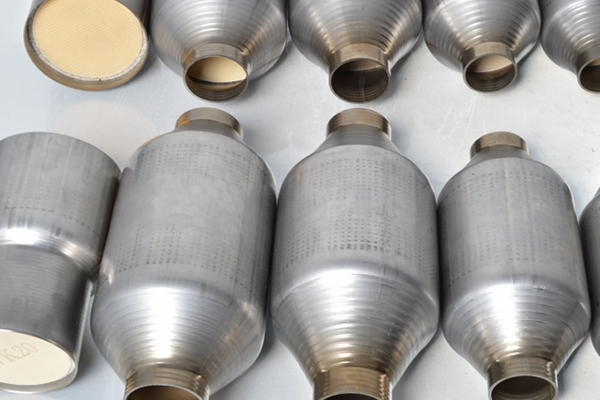
Industrial catalysts are substances used to accelerate chemical reactions in industrial processes without undergoing permanent changes themselves. Catalysts play a pivotal role in various chemical reactions by lowering the activation energy needed for these reactions to occur. These substances are widely utilized across many industries, including petrochemical, pharmaceutical, and food processing, for their ability to enhance reaction rates and increase product yields.
Catalysts are typically used to increase the rate of production in chemical manufacturing, thus optimizing production time and reducing costs. Unlike reactants, catalysts remain unchanged after the reaction, enabling them to be used repeatedly in successive cycles.
How to Make Industrial Catalysts?
Industrial catalysts are prepared through controlled methods. The process starts with selecting a suitable active compound. A support material, such as alumina or silica, is chosen. The active compound is then spread evenly over the support. In some cases, small amounts of promoter substances are added. The next step is to dry the mixture and heat it at high temperatures. This treatment helps fix the active substance in place. The result is a sturdy catalyst that works well in large reactors. Even though the steps may seem simple, each one is done with care and precision.
Components of Catalysts in Industry
The key components of industrial catalysts include:
Active Sites: These are the locations on the catalyst surface where reactants interact and undergo a transformation. The density and nature of these sites determine the catalytic activity.
Support Material: The support provides a stable structure for the catalyst and increases its surface area. Common materials include alumina, silica, and zeolites, which also play a role in promoting the reaction.
Promoters and Inhibitors: Some catalysts include additional substances called promoters that enhance activity, or inhibitors that reduce unwanted side reactions.
Metallic Components: In many industrial catalysts, metals such as platinum, palladium, and nickel are crucial for the catalytic process. These metals typically serve as active sites for the reactions.
Importance of Industrial Catalysts
Industrial catalysts are very important in today’s manufacturing and energy sectors. They reduce the energy needed to run chemical processes. This helps cut down on costs and improves safety. For instance, catalysts are used in petroleum refining to break down long-chain hydrocarbons into fuel. They help in the production of fertilizers such as ammonia by speeding up the reaction between nitrogen and hydrogen. Industrial catalysts also lower harmful emissions when correctly used. They allow processes to run under milder conditions, which reduces wear on equipment. History shows that industries have grown because reactions could be sped up effectively using catalysts.
Application of Catalysts in Industry
The use of catalysts covers many areas. In the petroleum industry, catalysts help refine crude oil into gasoline and diesel. In the chemical industry, they are used in the production of plastics, synthetic fibers, and cleaning agents. Some catalysts are applied in the automotive sector to transform harmful gases from exhaust systems into less harmful emissions. In environmental engineering, catalysts are found in systems that treat industrial waste. In each example, catalysts help save energy and reduce processing time. Their application is widespread and essential for high-volume, cost-effective production.
Common Chemical Catalysts Used in Industries
| Catalyst Type | Common Applications | Materials Used |
| Homogeneous Catalysts | Reactions in liquids or gases; used in fine chemicals | Organic compounds, acids |
| Heterogeneous Catalysts | Catalysis in solid phase reactions, e.g., petroleum refining | Platinum, palladium, nickel |
| Biocatalysts | Biotechnology applications, such as fermentation | Enzymes, proteins |
| Zeolite Catalysts | Cracking and isomerization in petrochemical industries | Aluminosilicates |
These catalysts vary in their structure and mode of action, but all play a role in improving the efficiency and selectivity of chemical reactions across industries. For more applications and related products, please check Stanford Advanced Materials (SAM).